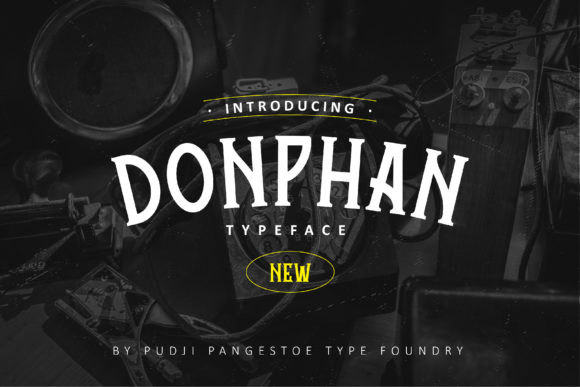
Donphan: A Retro Display Font for Creative Projects
Donphan is a retro display font that offers a unique blend of nostalgia and modern design. Handcrafted with care, it features a clean form that makes it versatile for various applications. Whether you're designing a logo, creating a poster, or customizing t-shirts, Donphan can add a distinctive touch to your work.
What Is Donphan?
Donphan is a hand-produced display font that draws inspiration from retro aesthetics. Its clean lines and structured design make it easy to read while maintaining a vintage feel. This font is ideal for projects that require a strong visual identity and a sense of authenticity. Unlike many digital fonts, Donphan's design process emphasizes manual craftsmanship, which contributes to its character and uniqueness.
Why Consider Donphan?
There are several reasons why someone might choose Donphan for their design projects. First, its retro style appeals to those looking for a nostalgic vibe in their work. This can be especially effective in branding that targets a specific audience or evokes a particular era. Additionally, Donphan's clean form ensures that it remains legible even at smaller sizes, making it suitable for a wide range of applications.
Another advantage of Donphan is its versatility. It can be used in both digital and print formats, offering flexibility for designers. The font's structure allows it to complement other typefaces, making it a good choice for multi-font layouts. Furthermore, its handcrafted nature adds a personal touch that can differentiate a design from more generic options.
Benefits and Tradeoffs
One of the main benefits of Donphan is its ability to convey a sense of history and authenticity. This can be valuable for brands or projects that want to connect with a specific audience or theme. Its clean design also ensures that it doesn't overwhelm other elements in a composition, allowing it to serve as a strong yet subtle presence.
However, there are some tradeoffs to consider. Because Donphan is a display font, it may not be the best choice for large blocks of text. Its stylistic elements can become distracting when used extensively, which limits its applicability in body text. Additionally, since it is hand-produced, there may be variations in the font's appearance depending on the source or version used.
Situations Where Donphan Excels
Donphan is particularly well-suited for projects that benefit from a retro or vintage aesthetic. For example, it can be an excellent choice for logos that aim to evoke a sense of nostalgia or tradition. In posters, it can add visual interest without overwhelming the message. T-shirt designs often use bold, eye-catching fonts, and Donphan fits this need by providing a distinctive look that stands out.
Additionally, Donphan works well in creative displays where the font itself is a focal point. This includes signage, packaging, or any design where typography plays a central role. Its clean form also makes it a good option for headings or titles that require a strong visual impact.
When Alternatives May Be Better
While Donphan has many strengths, there are situations where alternatives might be more appropriate. For instance, if the primary goal is readability over style, a more traditional sans-serif or serif font could be a better choice. These fonts are often optimized for long-form reading and may provide a more professional appearance in certain contexts.
Designers working on projects that require a modern or minimalist look may find that Donphan's retro style feels out of place. In such cases, a cleaner, more neutral font could align better with the overall design direction. Additionally, for projects that demand high consistency across multiple platforms, a widely available font may offer greater reliability than a niche option like Donphan.
Practical Decision-Making Insights
When deciding whether to use Donphan, it's important to consider the project's goals and target audience. If the design aims to create a nostalgic or artistic impression, Donphan can be a powerful tool. However, if clarity and neutrality are priorities, other fonts may be more suitable.
Testing the font in different contexts is also crucial. Seeing how it looks in various sizes, colors, and backgrounds can help determine its effectiveness. Designers should also evaluate the availability of the font and whether it meets licensing requirements for their specific use case.
Ultimately, the decision to use Donphan should be based on how well it aligns with the project's visual and functional needs. By understanding its strengths and limitations, designers can make informed choices that enhance their work effectively.