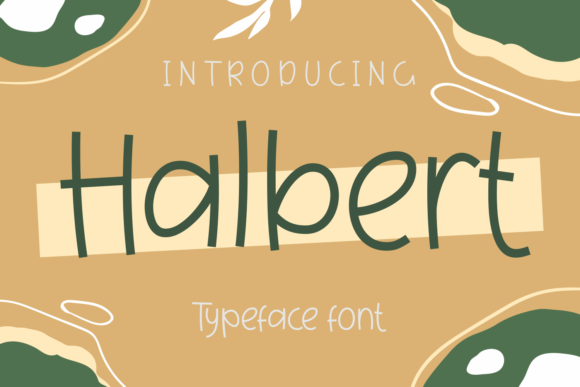
Halbert and Halbert: A Quirky Display Font for Creative Projects
In the world of typography, fonts play a crucial role in conveying messages, setting tones, and creating visual identities. One such font that has been gaining attention among designers and creatives is Halbert and Halbert. This chic, fun, and quirky display font offers a unique blend of style and versatility, making it an excellent choice for a wide range of branding and design projects.
What Is Halbert and Halbert?
Halbert and Halbert is a display font designed to stand out. Unlike standard typefaces that prioritize readability and simplicity, this font embraces character and personality. It features bold strokes, playful curves, and distinctive swashes that give it a whimsical and artistic feel. The font's name itself suggests a sense of fun and creativity, which is reflected in its design.
One of the key aspects of Halbert and Halbert is its PUA encoding, which stands for Private Use Area. This means that users can access all the glyphs and swashes without needing special software or additional tools. This level of accessibility makes it easy for designers to incorporate the font into their work seamlessly.
The Purpose and Significance of Halbert and Halbert
Display fonts like Halbert and Halbert are not meant for body text; instead, they are used to grab attention and add visual interest. Their purpose is to enhance the aesthetic appeal of a design while communicating a specific mood or message. Whether it's for a logo, a t-shirt print, or a creative product, this font brings a sense of uniqueness and flair.
The significance of Halbert and Halbert lies in its ability to transform ordinary designs into something extraordinary. In a world where visual content is king, having a font that stands out can make a big difference. It allows designers to express their creativity and create memorable brand identities.
Why Choose Halbert and Halbert?
- Unique Style: The font's quirky design sets it apart from other display fonts, making it ideal for projects that require a distinct look.
- Versatile Applications: From logos to packaging, Halbert and Halbert can be used in various contexts, offering flexibility for different design needs.
- Easy Access: With PUA encoding, users can easily access all the glyphs and swashes, eliminating the need for complex workflows.
- Emotional Impact: The font's playful nature can evoke positive emotions, making it perfect for brands that want to connect with their audience on a personal level.
How Does Halbert and Halbert Fit Into Modern Life?
In today’s digital age, where visuals dominate online platforms, the importance of typography cannot be overstated. Halbert and Halbert fits into modern life by providing a tool for creators to express themselves in a visually engaging way. Whether it's for social media posts, website headers, or marketing materials, this font helps designers create content that resonates with audiences.
For businesses, using a font like Halbert and Halbert can help differentiate their brand from competitors. In a crowded market, standing out is essential, and a unique font can be a powerful tool in achieving that. It adds a layer of creativity that can make a brand more memorable and appealing.
Practical Relevance in Different Fields
Halbert and Halbert is not just a font for graphic designers; it has practical relevance across various fields. Here are some examples:
- Branding: Companies looking to create a strong visual identity can use this font to design logos that reflect their brand's personality.
- Print Design: For t-shirt printing, posters, or packaging, the font adds a creative touch that can attract attention and generate interest.
- Web Design: Website headers and call-to-action buttons can benefit from the font's bold and eye-catching style, enhancing user engagement.
- Education: Teachers and educators can use this font to create visually appealing presentations or handouts that capture students' attention.
Common Misconceptions About Display Fonts
There are several misconceptions about display fonts that may prevent people from using them effectively. One common assumption is that they are only suitable for large-scale projects, such as billboards or signage. However, Halbert and Halbert demonstrates that display fonts can be used in smaller formats as well, adding character to everything from business cards to social media graphics.
Another misconception is that display fonts are difficult to read. While it's true that some display fonts prioritize style over readability, Halbert and Halbert strikes a balance between aesthetics and legibility. Its design allows it to be used in contexts where it doesn't compromise the clarity of the message.
How to Use Halbert and Halbert Effectively
To get the most out of Halbert and Halbert, it's important to understand how to use it effectively. Here are some tips:
- Use It Sparingly: Since display fonts are meant to be eye-catching, it's best to use them in small amounts rather than throughout an entire document.
- Pair It with Simpler Fonts: Combining Halbert and Halbert with a more straightforward font can create a balanced and professional look.
- Experiment with Weights and Styles: Many display fonts come in different weights and styles. Experimenting with these can help you find the perfect look for your project.
- Consider the Context: Think about the purpose of your design and whether the font aligns with the message you want to convey.
Conclusion
Halbert and Halbert is more than just a font; it's a tool for creativity and expression. Its unique style, ease of use, and versatility make it an excellent choice for a wide range of design projects. Whether you're a designer, a business owner, or a student, this font offers a way to add personality and flair to your work.
By understanding the purpose and significance of Halbert and Halbert, you can make informed decisions about how to use it in your own projects. As the demand for visually engaging content continues to grow, fonts like this will play an increasingly important role in shaping the digital landscape.