History Begin: A Stylish Display Font for Designers and Developers
For designers, developers, and typographers looking for a unique and expressive typeface, History Begin offers a distinctive visual identity. This display font is known for its elegant and stylized appearance, making it ideal for projects that require a touch of sophistication and personality. Whether used in branding, editorial design, or digital interfaces, History Begin can add a sense of history and character to any text.
What Is History Begin?
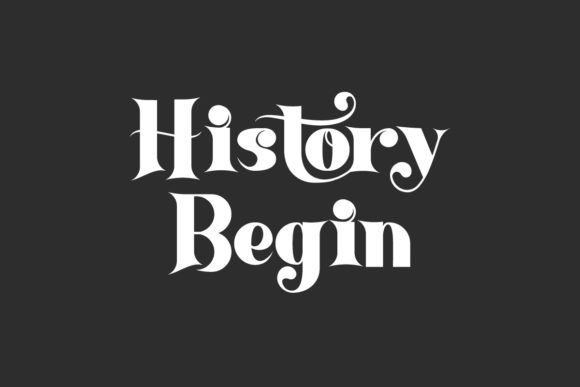
History Begin is a display font designed to stand out with its artistic and unconventional style. Unlike traditional fonts that prioritize clarity and legibility, this typeface emphasizes visual appeal and aesthetic value. It features a range of stylistic elements such as swashes, ligatures, and decorative flourishes that give it a handcrafted or vintage feel. These details make it particularly well-suited for creative projects that aim to evoke a sense of nostalgia or individuality.
The font is PUA encoded, which means that users can access all of its glyphs and special characters without relying on complex keyboard layouts or software tools. This makes it easier to use in various design applications, allowing for greater flexibility when working with the font's unique features.
Why Someone Might Be Interested in History Begin
Designers and developers may consider History Begin for several reasons. First, its distinct visual style can help differentiate a project from others, especially in competitive markets where originality is key. The font’s ornate details can also add a layer of sophistication that may be difficult to achieve with more standard typefaces.
Additionally, those working on historical or thematic projects—such as book covers, logos, or promotional materials for events with a retro or artisanal theme—may find that History Begin aligns well with their creative vision. Its ability to convey a sense of authenticity and craftsmanship can be valuable in these contexts.
Benefits of Using History Begin
One of the main advantages of History Begin is its versatility in design applications. While it is primarily a display font, it can be used in a variety of formats, including web design, print media, and digital art. Its PUA encoding ensures that all available glyphs are accessible, which is particularly useful for designers who want to incorporate unique characters into their work.
Another benefit is its ease of use. Since it does not require special keyboard setups or complex software configurations, it can be integrated into most design workflows without significant barriers. This accessibility makes it an attractive option for both novice and experienced users.
Tradeoffs and Considerations
Despite its appealing features, History Begin may not be suitable for every project. One of the primary tradeoffs is its limited readability in large blocks of text. Because of its decorative nature, it is best used in short phrases, headlines, or titles rather than body copy. Overusing the font can lead to a cluttered or confusing visual outcome, especially in digital environments where clarity is essential.
Additionally, while the font’s unique style can be an asset, it may not always align with the tone or message of a project. For example, a business or corporate brand might prefer a more modern and minimalistic font that conveys professionalism and reliability. In such cases, alternatives to History Begin could be more appropriate.
Situations Where History Begin May Be a Strong Fit
History Begin is particularly effective in creative and artistic contexts. It works well for branding that seeks to communicate a sense of heritage, craftsmanship, or individuality. For instance, independent designers, small businesses, or artists launching a new product line may find that the font helps establish a unique brand identity.
It is also suitable for editorial design, such as magazine covers, book titles, or event invitations. In these scenarios, the font’s ornate details can enhance the overall visual appeal and create a memorable impression. When paired with other complementary typefaces, it can add depth and contrast to a layout without overwhelming the viewer.
Situations Where Alternatives May Be Worth Considering
For projects that require high readability and a clean, professional look, alternatives to History Begin may be more suitable. Fonts like Helvetica, Roboto, or Lato offer a more neutral and versatile approach, making them better choices for long-form content, user interfaces, or corporate communications.
Additionally, if the goal is to create a modern or minimalist aesthetic, a sans-serif font might be a better fit. These fonts tend to be more adaptable across different platforms and mediums, offering a balance between style and functionality.
Practical Decision-Making Insights
When deciding whether to use History Begin, it’s important to evaluate the specific needs of the project. Ask questions such as: What is the primary purpose of the text? Who is the target audience? What tone or mood should the design convey?
Testing the font in different contexts can also provide valuable insights. Experimenting with how it looks in various sizes, colors, and backgrounds can help determine its effectiveness in a given scenario. If possible, compare it with other fonts to see which one best meets the design goals.
Finally, consider the technical requirements of the project. Ensure that the font is compatible with the intended platform and that it can be used without restrictions. Understanding these factors can help avoid potential issues during implementation.
Conclusion
History Begin is a stylish and distinctive display font that can add character and visual interest to a wide range of design projects. Its PUA encoding and unique stylistic elements make it a practical choice for creatives seeking to express individuality and craftsmanship. However, its suitability depends on the specific goals and context of the project.
By carefully evaluating the strengths and limitations of History Begin, designers and developers can make informed decisions about whether it aligns with their creative and functional needs. Whether used as a standout element or as part of a broader typographic strategy, the font offers a compelling option for those looking to enhance their visual storytelling.