Red Ribbon: A Handmade Typeface with a Natural Touch
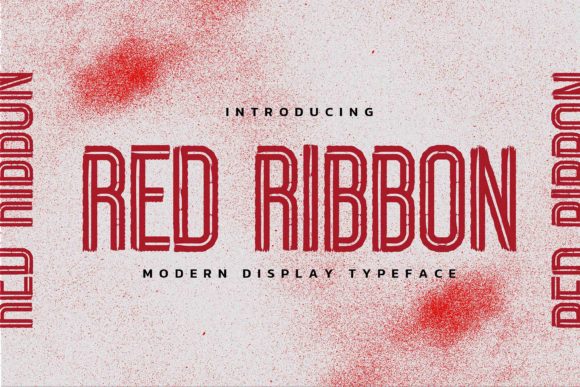
When it comes to design, the right font can make all the difference. Red Ribbon is a modern display typeface that brings a unique, handmade aesthetic to any project. With its natural feel and elegant details, this font offers a fresh approach to typography that blends creativity with functionality. Whether you're designing an invitation, a logo, or a book cover, Red Ribbon can elevate your work with its distinctive character.
What Makes Red Ribbon Unique?
Red Ribbon is more than just a font—it's a design statement. Inspired by the Food Logo style and combined with a Unique Craft aesthetic, it merges the organic feel of handcrafted elements with the precision of digital typography. This combination results in a typeface that feels both authentic and refined, making it ideal for projects that require a personal touch.
The natural imperfections in Red Ribbon’s strokes give it a handmade quality that stands out in a world dominated by clean, uniform fonts. These subtle variations add depth and warmth, making each letter feel like it was created with care. For designers looking to add a human element to their work, Red Ribbon is an excellent choice.
Key Features of Red Ribbon
- Handmade Aesthetic: The irregularities in each letter mimic the look of hand-drawn typography, giving your design a unique, personal feel.
- Modern Display Style: While rooted in craftsmanship, Red Ribbon maintains a contemporary look that works well in both traditional and modern contexts.
- Versatile Applications: From logos and invitations to book covers and craft projects, Red Ribbon adapts to a wide range of design needs.
- Clear Legibility: Despite its artistic flair, the font remains easy to read, ensuring that your message is communicated effectively.
Where Can You Use Red Ribbon?
Red Ribbon is incredibly versatile, making it suitable for a variety of design projects. Its natural, handcrafted look makes it especially popular in creative fields such as graphic design, branding, and packaging. Here are some common applications:
- Invitations: Whether it's a wedding, party, or event, Red Ribbon adds a special, personalized touch to printed invitations.
- Logos and Branding: Businesses looking to create a memorable identity can use Red Ribbon to craft a unique wordmark or logotype.
- Book Covers: Authors and publishers often turn to Red Ribbon for its elegant, artistic appeal, which can help a book stand out on a shelf.
- Craft Projects: From handmade cards to custom labels, Red Ribbon enhances the visual appeal of DIY and craft items.
- Quotes and Typography Art: Designers and artists use Red Ribbon to create eye-catching quotes, posters, and wall art that capture attention.
Its flexibility means that Red Ribbon can be used in both digital and print formats, making it a valuable tool for designers across different mediums.
Who Benefits from Using Red Ribbon?
Red Ribbon appeals to a broad audience, including professionals, creators, and business owners who want to add a unique touch to their work. Here are some groups that may find it particularly useful:
- Graphic Designers: Those looking to differentiate their work with a one-of-a-kind font will appreciate Red Ribbon’s distinct character.
- Small Business Owners: Entrepreneurs seeking to build a brand with a personal, artisanal feel can use Red Ribbon to create a memorable identity.
- Artists and Illustrators: Creatives who value handmade aesthetics will find Red Ribbon to be a perfect match for their projects.
- Event Planners: For those designing invitations or promotional materials, Red Ribbon offers a stylish, elegant option.
- Students and Educators: In educational settings, Red Ribbon can be used to create visually engaging presentations or learning materials.
Whether you're a professional designer or someone experimenting with typography, Red Ribbon provides a way to express creativity while maintaining clarity and readability.
Strengths and Considerations
One of the main strengths of Red Ribbon is its ability to convey a sense of authenticity and craftsmanship. It’s not just a font—it’s a design philosophy that emphasizes individuality and creativity. However, there are a few considerations to keep in mind when using it:
- Legibility in Small Sizes: While Red Ribbon is readable at larger sizes, it may not be the best choice for body text or small print due to its intricate details.
- Contextual Appropriateness: The handmade nature of Red Ribbon may not fit every design style. It works best in projects that benefit from a personal, artisanal feel.
- Font Licensing: As with any commercial font, it’s important to check licensing terms to ensure it can be used for your intended purpose.
By understanding these factors, users can make informed decisions about when and how to incorporate Red Ribbon into their designs.
Real-World Examples of Red Ribbon in Action
To better understand how Red Ribbon can be used, consider these real-world scenarios:
- Wedding Invitations: A couple might choose Red Ribbon for their wedding invites to reflect the personal, heartfelt nature of their celebration. The font’s elegance and uniqueness help set the tone for a memorable event.
- Food Branding: A bakery or café could use Red Ribbon in their logo to evoke a sense of tradition and craftsmanship, aligning with the Food Logo style that inspired the typeface.
- Art Exhibitions: An artist might use Red Ribbon for exhibition posters to highlight the handmade aspect of their work, creating a visual connection between the font and the artwork.
- Custom T-Shirts: A designer could apply Red Ribbon to a t-shirt design, adding a unique, artistic flair that stands out in a crowded market.
These examples demonstrate how Red Ribbon can be adapted to suit different needs and creative goals.
Evaluating Whether Red Ribbon Is Right for Your Project
Before choosing Red Ribbon, consider the following questions:
- What is the purpose of the design? Does it require a personal, handmade feel, or is a more neutral, professional look needed?
- Who is the target audience? Will the font resonate with them, or could it be distracting?
- What other fonts are being used? Is there a need for contrast or consistency within the overall design?
- Is the font available in the required format? Ensure that it’s compatible with your design software and output requirements.
By answering these questions, you can determine if Red Ribbon is the best fit for your specific project.
In conclusion, Red Ribbon is a powerful tool for designers and creators looking to add a natural, handmade touch to their work. Its unique blend of style and functionality makes it a valuable asset in a wide range of design applications. Whether you're working on a logo, an invitation, or a creative project, Red Ribbon offers a fresh and expressive way to communicate your message.