Summer Stories: A Unique Display Font for Creative Projects
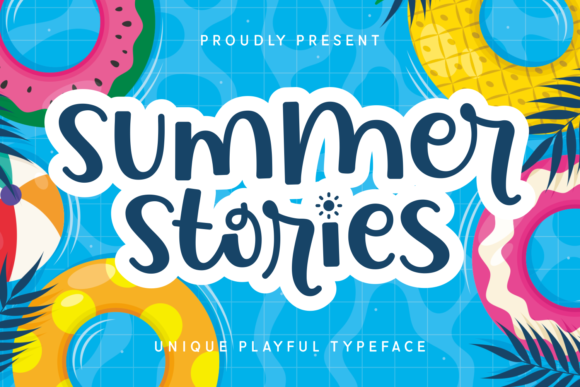
Summer Stories is a display font that combines charm, personality, and versatility. Its design evokes a sense of warmth and playfulness, making it ideal for projects that aim to stand out with a distinctive visual identity. Whether used in logos, t-shirt designs, or creative products, Summer Stories brings a fresh and expressive tone to any application.
What Makes Summer Stories Distinct?
Unlike many standard display fonts that prioritize boldness or minimalism, Summer Stories leans into a more whimsical and expressive aesthetic. The font features irregular letterforms, subtle flourishes, and a hand-drawn feel that gives it a unique character. This makes it particularly well-suited for brands or projects that want to convey a casual, fun, or artistic vibe.
The font’s distinctiveness comes from its balance between readability and creativity. While it may not be the best choice for long blocks of text, its legibility at smaller sizes allows it to work effectively in headlines, titles, and short phrases. This makes it a practical option for designers looking for a font that can add personality without sacrificing clarity.
How Summer Stories Compares to Similar Fonts
When evaluating display fonts, designers often consider factors such as style, versatility, and use cases. Summer Stories sits in a niche space between traditional script fonts and more modern, geometric typefaces. It offers a middle ground that avoids the overly formal nature of some serif fonts and the rigid structure of others.
For example, compared to fonts like Great Vibes or Dancing Script, which have a more fluid, flowing style, Summer Stories has a slightly more structured approach. This makes it less suited for highly ornate or cursive-based designs but more adaptable for projects that require a mix of elegance and energy.
In contrast to sans-serif display fonts like Bebas Neue or Montserrat, Summer Stories adds a layer of personality that can make a brand or design feel more approachable. While those fonts are often used for clean, modern looks, Summer Stories provides an alternative for those seeking something more unconventional and expressive.
Strengths and Best-Fit Situations
One of the key strengths of Summer Stories is its ability to convey emotion and tone through typography. Its playful yet sophisticated look can help brands differentiate themselves in competitive markets. This makes it especially useful for businesses targeting younger audiences or industries that value creativity, such as fashion, art, or entertainment.
Summer Stories also works well in situations where a designer wants to add visual interest without overwhelming the viewer. For instance, in t-shirt printing, it can provide a catchy, memorable headline that complements the overall design. In branding, it can serve as a signature font for logos, adding a touch of individuality that sets a brand apart.
Another advantage is its adaptability across different mediums. Whether used in digital formats, print materials, or packaging, the font maintains its character and appeal. This flexibility makes it a reliable choice for multi-platform projects that require consistent visual identity.
Tradeoffs and Limitations
Despite its strengths, Summer Stories may not be the best fit for every project. Its stylized appearance can sometimes be too distinctive for more professional or corporate settings. In such cases, a more neutral or classic font might be a better choice to maintain a polished and serious tone.
Additionally, because of its unique design, Summer Stories may require careful spacing and adjustments when used in certain layouts. Designers should be mindful of how the font interacts with other elements on the page, ensuring that it doesn’t compromise readability or visual harmony.
It’s also worth noting that while the font is versatile, it may not be suitable for all languages or scripts. Designers working with non-Latin alphabets should test the font thoroughly to ensure it meets their needs.
When to Choose Summer Stories
Summer Stories is an excellent choice for projects that benefit from a creative, expressive, or nostalgic tone. If a designer is looking to add a personal touch to a logo, a marketing campaign, or a product label, this font can help achieve that goal. It’s particularly effective when paired with other design elements that reinforce its playful or artistic nature.
For example, a boutique clothing brand aiming to create a fun and youthful image could use Summer Stories in its branding to reflect that identity. Similarly, a music festival promoting a summer event might find the font appealing for its upbeat and energetic feel.
Designers who want to experiment with typography without relying on overly complex or rare fonts may also find Summer Stories to be a valuable addition to their toolkit. Its balance of uniqueness and usability makes it accessible for both novice and experienced users.
When to Consider Alternatives
If a project requires a more formal or minimalist look, alternatives to Summer Stories may be more appropriate. Fonts like Lato, Roboto, or Raleway offer clean, modern aesthetics that can work well in professional contexts. These options may be preferable when the goal is to communicate clarity and sophistication rather than personality and flair.
For projects that need a high level of customization or scalability, other display fonts may offer more flexibility. Some fonts are designed with extensive character sets or advanced typographic features that can support a wider range of applications. Designers should evaluate these factors based on their specific needs.
Ultimately, the decision to use Summer Stories depends on the goals of the project and the message the designer wants to convey. By understanding the font’s strengths and limitations, designers can make informed choices that align with their creative vision.
Conclusion: Making an Informed Choice
Summer Stories is a compelling option for designers seeking a display font that balances creativity with practicality. Its unique style and adaptability make it suitable for a wide range of applications, from branding to product design. However, it’s important to consider the context and requirements of each project before deciding to use it.
By comparing Summer Stories with other fonts and understanding its strengths and tradeoffs, designers can make more informed decisions that support their creative goals. Whether it’s the right choice or not, the key is to select a font that enhances the overall design and communicates the intended message effectively.