Brown Cookies: A Unique Display Font for Creative Workflows
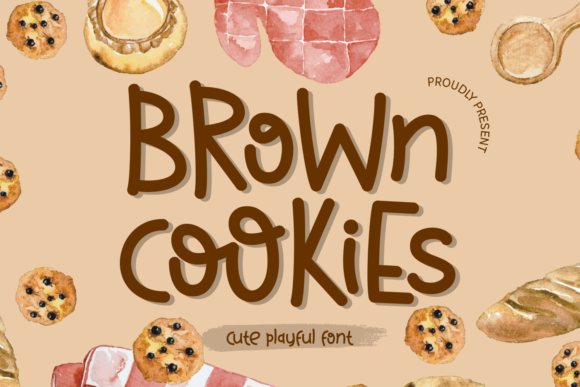
Brown Cookies is a distinctive display font that stands out with its thin, playful character set. Designed for visual impact, it brings a sense of whimsy and creativity to any project that requires a bold or expressive typographic element. This font is ideal for those who want to add personality to their branding, packaging, or design work without sacrificing clarity or professionalism.
As a creative tool, Brown Cookies fits naturally into various stages of a project lifecycle. Whether you're planning a new brand identity, designing packaging for a product, or working on a marketing campaign, this font can enhance the visual appeal of your work while maintaining a clean and modern aesthetic.
Understanding Brown Cookies in the Design Process
Brown Cookies is more than just a font—it's a design choice that influences how a message is perceived. Its thin strokes and unique letterforms make it suitable for applications where readability is important but a strong visual presence is also needed. This makes it an excellent option for headlines, logos, and other prominent text elements.
When integrating Brown Cookies into your workflow, consider the context in which it will be used. For example, if you're designing a logo for a boutique clothing line, the font's playful nature can reflect the brand's personality. If you're creating packaging for a food product, the font can help convey a sense of authenticity and craftsmanship.
The font’s versatility allows it to be used across different media, from digital platforms to print materials. However, it's important to test the font in various sizes and formats to ensure it remains legible and effective in all applications.
Using Brown Cookies in Branding and Marketing
In branding, typography plays a crucial role in shaping a company's identity. Brown Cookies offers a fresh alternative to more traditional fonts, allowing brands to stand out in a competitive market. By using this font in logos, social media profiles, or promotional materials, businesses can create a consistent and memorable visual language.
For marketers, Brown Cookies can be a valuable asset when developing campaigns that require a unique tone or style. It works well in ad copy, email newsletters, and website headers, helping to capture attention and reinforce brand messaging. When used strategically, it can differentiate a brand from its competitors and create a stronger emotional connection with the audience.
One practical tip is to pair Brown Cookies with complementary fonts for balance. For instance, using a sans-serif font like Arial or Helvetica for body text can provide contrast while allowing the boldness of Brown Cookies to shine in headings and titles.
Workflow Integration and Practical Tips
Integrating Brown Cookies into your workflow requires careful consideration of compatibility and usability. Before using the font in a project, ensure it is properly licensed and compatible with the software you're using. Most design tools, such as Adobe Photoshop, Illustrator, and Figma, support custom fonts, making it easy to incorporate Brown Cookies into your designs.
When working on a multi-step project, such as a branding initiative or a product launch, consider the following steps:
- Planning: Define the purpose of the font and identify where it will be used.
- Design: Apply Brown Cookies to key elements like logos, headers, and banners.
- Testing: Review the font in different sizes and contexts to ensure it meets your needs.
- Implementation: Use the font consistently across all materials to maintain brand coherence.
By following these steps, you can ensure that Brown Cookies enhances your work without causing confusion or inconsistency.
Long-Term Use and Consistency
Consistency is key when using any font over time. Brown Cookies should be used in a way that aligns with your overall design strategy. This means maintaining a clear hierarchy and avoiding overuse, which can dilute its impact.
If you're part of a team or working on a long-term project, it's important to document the appropriate use of Brown Cookies. This helps ensure that everyone involved understands how and when to apply the font effectively. Creating a style guide that includes examples of proper usage can streamline the process and improve efficiency.
Additionally, consider the scalability of your design. As your brand grows or evolves, you may need to adjust how Brown Cookies is used. Regularly reviewing and updating your design assets can help maintain quality control and ensure that the font continues to serve its intended purpose.
Combining Brown Cookies with Other Tools and Resources
Brown Cookies works best when combined with other design elements and tools. For example, pairing it with a cohesive color scheme or a well-structured layout can elevate the overall look of your project. Using it alongside graphic elements, icons, or images can also help create a more dynamic and engaging visual experience.
Designers often use Brown Cookies in conjunction with other fonts to achieve a balanced composition. For instance, using a serif font for body text and Brown Cookies for headings can create a visually appealing contrast. Similarly, combining it with a minimalist layout can emphasize the font's uniqueness without overwhelming the viewer.
Collaboration is another area where Brown Cookies can be beneficial. When working with clients or team members, using a font that clearly conveys the intended message can help streamline communication and reduce the need for revisions.
Conclusion: Embracing Brown Cookies in Your Creative Process
Brown Cookies is a versatile and expressive font that can enhance a wide range of creative projects. Its thin, playful design makes it ideal for branding, logos, packaging, and other visual elements where a unique touch is needed. By understanding how to integrate it into your workflow, you can leverage its strengths while maintaining consistency and clarity.
Whether you're a designer, marketer, or business owner, Brown Cookies offers a fresh approach to typography that can elevate your work and set your brand apart. With thoughtful implementation and strategic use, it can become a valuable part of your creative toolkit.